INGENIUS Retail Merchandising Units & How To Design One
Your store’s visual allure sets the stage for capturing the attention of discerning shoppers who seek not just products, but an experience. In this dynamic retail landscape, RMUs stand as versatile tools, ready to elevate your store’s aesthetics and functionality.

creativity meets commerce

Imagine a customer wandering into your store and being effortlessly drawn to a carefully curated RMU, showcasing the season’s hottest trends or an enticing product assortment. These compact yet impactful units are tailor-made for transforming the shopping environment, driving sales, and fostering brand loyalty.

With a strategic blend of art and science, our guide will navigate you through leveraging these visually-striking wonders to complement your brand ethos, maximize floor space, and entice consumers through the artistry of Retail Merchandising Units.

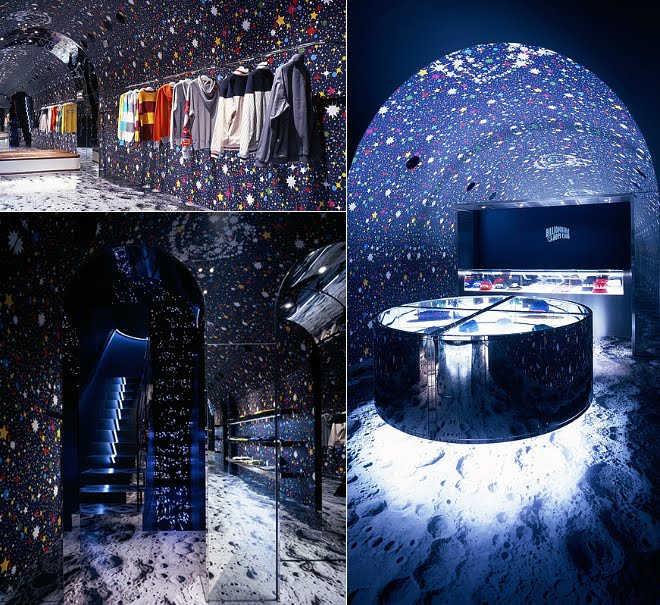
Billionaire Boys Club Store, image captured by Pinterest.

Understanding Retail Merchandising Units

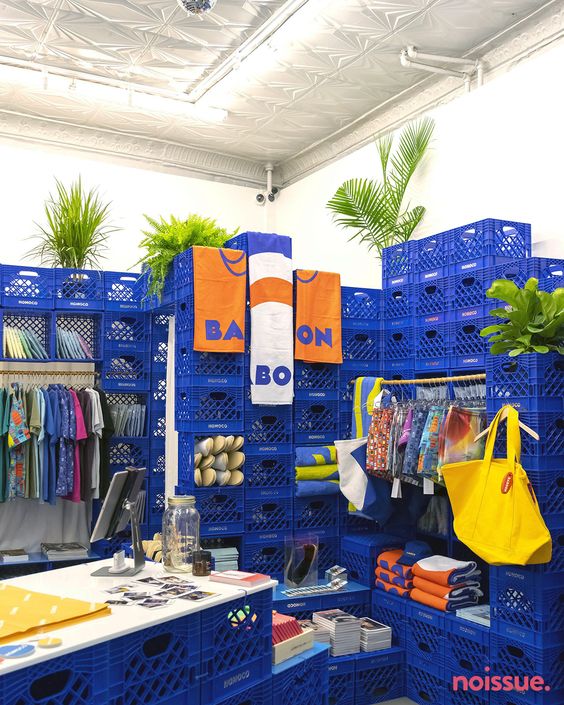
Homoco pop-up store, sourced from Pinterest

When it comes to enhancing the visual appeal of your retail store, Retail Merchandising Units (RMUs) play a pivotal role. These compact, standalone structures are designed to showcase products and attract customers. RMUs are versatile and can be used to display a wide range of merchandise, from cosmetics and accessories to electronics and seasonal items.

Retail Merchandising Units are not only visually appealing but also serve as functional components of a store’s layout. They can be strategically placed to optimize traffic flow and enhance the overall shopping experience. Understanding the potential of RMUs is key to unlocking their power in transforming your store’s ambiance and driving sales.

The flexibility of RMUs allows for creative customization, making them adaptable to the unique characteristics of your store and the products you offer. By understanding the role of RMUs in visual merchandising, you can harness their potential to captivate customers and elevate your brand’s presence.
The Importance of Visual Appeal in Retail

In the competitive landscape of retail, visual appeal plays a crucial role in attracting and retaining customers. The visual elements of a store, including RMUs, contribute significantly to the overall shopping experience. Customers are drawn to visually appealing displays, and the strategic use of RMUs can create a memorable and engaging environment.

The first impression a customer forms when entering a store is often based on its visual appeal. Well-designed RMUs can grab attention, spark interest, and guide customers toward specific products or promotions. By recognizing the importance of visual appeal in retail, you can leverage RMUs to create an inviting and immersive atmosphere that sets your store apart from the competition.

Incorporating visually engaging displays through RMUs can evoke emotions, create a sense of discovery, and influence purchasing decisions. This highlights the significance of integrating RMUs into your overall visual merchandising strategy to enhance the customer experience and drive sales.

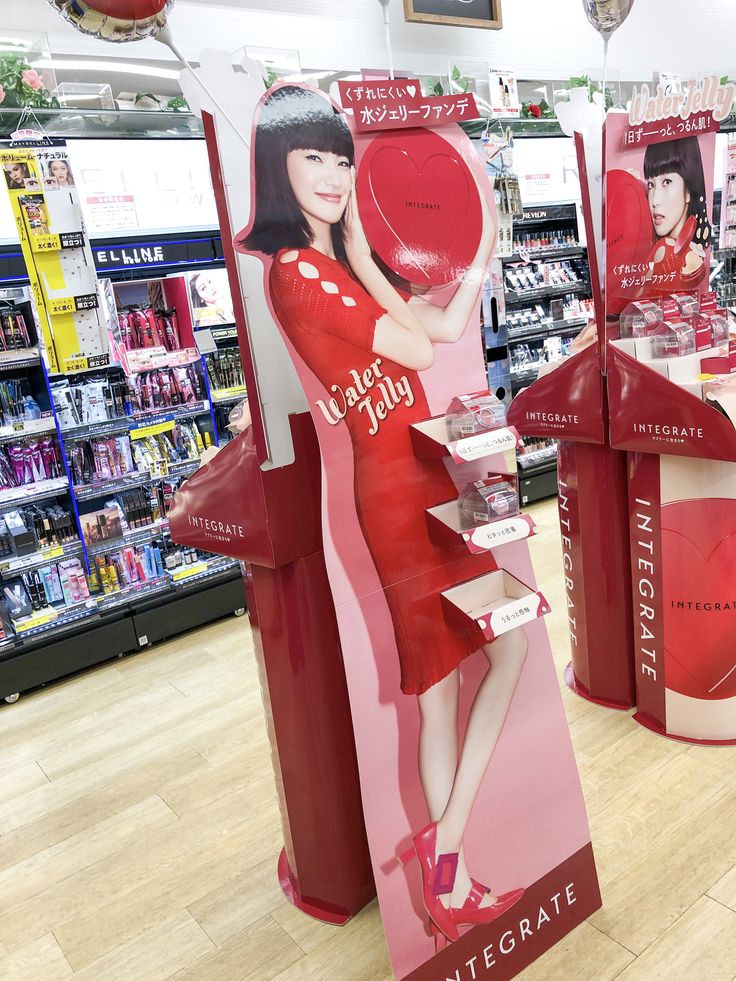
Japanese kiosk stand. Sourced from Pinterest.

Retail Merchandising Units Statistics and Trends

Understanding the current statistics and trends related to Retail Merchandising Units is essential for staying ahead in the retail industry. According to recent studies, 82% of purchase decisions are made in-store, emphasizing the importance of creating an appealing shopping environment. Retailers that effectively utilize RMUs have reported an increase in impulse purchases and overall sales.

Trends in visual merchandising indicate a shift towards experiential retail, with an emphasis on creating immersive and interactive displays. RMUs are at the forefront of this trend, offering a canvas for innovative and captivating product presentations. Furthermore, the integration of technology, such as digital screens and interactive features, has redefined the possibilities for RMUs in engaging customers.

By staying informed about the latest statistics and trends in retail merchandising, you can capitalize on the evolving preferences of consumers and adapt your RMU strategies to align with industry advancements. Embracing these insights will enable you to harness the full potential of RMUs and stay competitive in the ever-changing retail landscape.

Consumer' purchasing decisions (Delta Signage study 2021)

Retail Merchandising Units Statistics and Trends

Understanding the current statistics and trends related to Retail Merchandising Units is essential for staying ahead in the retail industry. According to recent studies, 82% of purchase decisions are made in-store, emphasizing the importance of creating an appealing shopping environment. Retailers that effectively utilize RMUs have reported an increase in impulse purchases and overall sales.

Trends in visual merchandising indicate a shift towards experiential retail, with an emphasis on creating immersive and interactive displays. RMUs are at the forefront of this trend, offering a canvas for innovative and captivating product presentations. Furthermore, the integration of technology, such as digital screens and interactive features, has redefined the possibilities for RMUs in engaging customers.

By staying informed about the latest statistics and trends in retail merchandising, you can capitalize on the evolving preferences of consumers and adapt your RMU strategies to align with industry advancements. Embracing these insights will enable you to harness the full potential of RMUs and stay competitive in the ever-changing retail landscape.

Designing an Effective Retail Merchandising Strategy

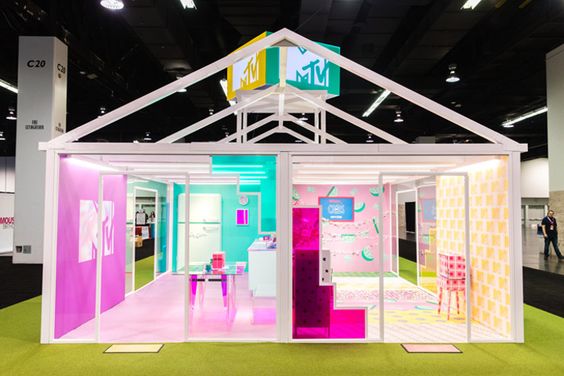
During VidCon 2018, MTV cleverly targeted Generation Z audience through brightly coloured design.

Creating an effective retail merchandising strategy involves a thoughtful approach to integrating RMUs into the overall store layout. The design of RMUs should harmonize with the brand image and product offerings, while also considering the flow of customer traffic and the focal points within the store. Strategic placement and visual cohesion are essential elements of a successful merchandising strategy.

When designing your retail merchandising strategy, it’s crucial to consider the demographic and psychographic attributes of your target audience. By understanding the preferences and behaviors of your customers, you can tailor the design and content of RMUs to resonate with their interests and aspirations. Additionally, aligning the merchandising strategy with seasonal trends and promotional campaigns can further enhance its effectiveness.

A well-crafted retail merchandising strategy that incorporates RMUs as integral components can drive customer engagement, encourage exploration, and ultimately lead to increased sales. By meticulously designing the placement and aesthetic appeal of RMUs, you can create a cohesive and compelling shopping environment that captivates and delights your customers.
Placement and Layout of Retail Merchandising Units

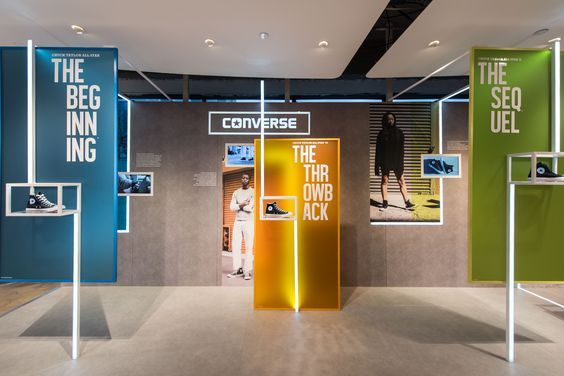
Converse store display, sourced from Pinterest.

The strategic placement and layout of Retail Merchandising Units (RMUs) are fundamental to their effectiveness in influencing customer behavior and driving sales. RMUs should be strategically positioned to optimize visibility and accessibility, ensuring that they serve as focal points within the store layout. Understanding the flow of customer traffic and identifying high-traffic areas are essential considerations when determining the placement of RMUs.

The layout of RMUs should be intuitive, guiding customers through a visually engaging journey that leads to product discovery and exploration. By strategically arranging RMUs in clusters or zones, you can create thematic displays that tell a cohesive story and capture the attention of shoppers. Additionally, incorporating interactive elements or multimedia displays within the layout can further enhance the allure of RMUs.

The placement and layout of RMUs should be dynamic, adapting to seasonal changes, promotional campaigns, and evolving consumer preferences. By continuously refining the placement and layout of RMUs based on customer behavior and market trends, you can ensure that they remain impactful and compelling elements of your store’s visual appeal.
Maximizing Merchandising Units for Product Display

Maximizing the potential of Retail Merchandising Units (RMUs) for product display requires a strategic approach to presenting merchandise in an enticing and accessible manner. RMUs should be utilized to showcase a curated selection of products that align with customer preferences and seasonal trends. The arrangement of products within RMUs should be visually appealing and well-organized, facilitating ease of browsing and selection.

By leveraging the vertical and horizontal space of RMUs, you can optimize the display of products to create a visually captivating presentation. Utilizing varied display techniques, such as shelving, hanging fixtures, and digital screens, can add depth and dimension to the product display, capturing the attention of customers and encouraging exploration. Additionally, incorporating storytelling elements and lifestyle imagery can evoke aspirational narratives that resonate with customers.

Maximizing RMUs for product display involves a thoughtful curation of merchandise, strategic placement of products, and the seamless integration of visual elements to create an immersive and compelling experience for customers. By harnessing the full potential of RMUs for product display, you can elevate the perceived value of your merchandise and drive customer engagement.

Utilizing Technology in Retail Merchandising Units

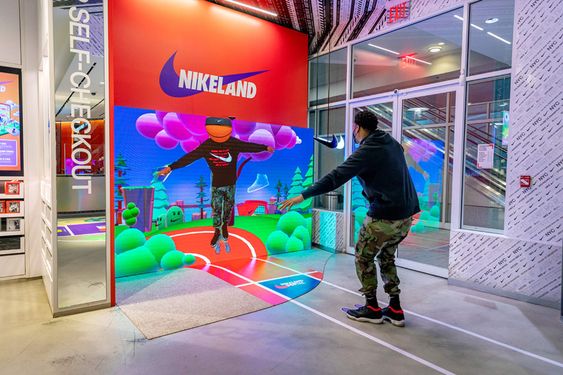
The Nikeland portal at the Nikeland/Roblox activation at Nike NYC: House of Innovation. Sourced from Pinterest.

The integration of technology in Retail Merchandising Units (RMUs) has revolutionized the possibilities for engaging customers and creating immersive retail experiences. Digital screens, interactive displays, and augmented reality features can be seamlessly integrated into RMUs to deliver dynamic and captivating content. By utilizing technology, RMUs can evolve into interactive touchpoints that offer personalized product information, virtual try-on experiences, and gamified interactions.

Technology-enabled RMUs have the potential to capture and retain customer attention, driving engagement and influencing purchasing decisions. Additionally, the data and insights gathered from customer interactions with technology-enhanced RMUs can inform future merchandising strategies and product offerings. By embracing technology in RMUs, retailers can stay at the forefront of innovation and create memorable experiences that resonate with modern consumers.

The seamless integration of technology in RMUs requires a harmonious balance between digital elements and physical merchandise, ensuring that the technology enhances the overall aesthetic and functionality of the unit. By leveraging the capabilities of technology, RMUs can transcend traditional displays, offering an immersive and interactive platform for captivating customers and elevating the retail experience.

Retail Merchandising Units Best Practices

Incorporating best practices in the utilization of Retail Merchandising Units (RMUs) is essential for maximizing their impact and effectiveness. A cohesive and well-executed visual merchandising strategy that integrates RMUs should align with the brand identity, convey a compelling narrative, and create a seamless shopping experience. Consistency in the design, placement, and content of RMUs across multiple store locations can reinforce brand recognition and customer loyalty.

The use of lighting, color schemes, and signage within RMUs should be thoughtfully considered to create a visually cohesive and inviting display. Additionally, ensuring that RMUs are regularly maintained and refreshed with new product offerings or seasonal themes contributes to sustaining customer interest and engagement. Embracing sustainability in the design and materials used for RMUs can also resonate with environmentally-conscious consumers, further enhancing the appeal of the displays.

Implementing best practices in the utilization of RMUs involves continuous refinement and adaptation based on customer feedback, market trends, and industry innovations. By adhering to best practices, retailers can create captivating and impactful RMUs that enrich the customer experience and drive measurable results.

need help designing your retail merchandising unit?

Evaluating the Impact of Retail Merchandising Units

Measuring and evaluating the impact of Retail Merchandising Units (RMUs) is paramount to understanding their effectiveness in driving sales and enhancing the customer experience. Key performance indicators, such as foot traffic patterns, dwell time, and conversion rates, can provide valuable insights into the influence of RMUs on customer behavior and purchase decisions. By analyzing these metrics, retailers can refine their merchandising strategies and optimize the placement and design of RMUs to maximize their impact.

Customer feedback and engagement with RMUs can also serve as qualitative indicators of their effectiveness. Understanding customer perceptions, preferences, and interactions with RMUs can inform iterative improvements and refinements to the displays. Additionally, conducting A/B testing or pilot programs with different RMU configurations can offer valuable data for optimizing the visual appeal and functionality of RMUs.

Evaluating the impact of RMUs requires a comprehensive approach that incorporates both quantitative and qualitative assessments. By utilizing data-driven insights and customer feedback, retailers can continuously enhance the effectiveness of RMUs and ensure that they remain compelling and influential components of the retail environment.

Conclusion

In the ever-evolving landscape of retail, the visual appeal of a store plays a pivotal role in captivating customers and driving sales. Retail Merchandising Units (RMUs) stand as versatile tools that can transform the shopping environment, elevate brand presence, and create memorable experiences for customers. By understanding the importance of visual merchandising, staying informed about industry trends, and leveraging technology, retailers can harness the full potential of RMUs to create immersive and engaging retail experiences.

The strategic design, placement, and product display within RMUs are essential elements of a successful visual merchandising strategy. By maximizing the impact of RMUs and adhering to best practices, retailers can create captivating displays that resonate with customers and drive measurable results. Evaluating the influence of RMUs through data analysis and customer feedback enables retailers to continuously refine and optimize their merchandising strategies, ensuring that RMUs remain impactful and compelling elements of the retail environment.

As you embark on the journey of enhancing your store’s visual appeal, remember that RMUs offer endless opportunities for creativity and innovation. Embrace the artistry of visual merchandising and unlock the unrivaled potential of Retail Merchandising Units to elevate your store’s ambiance, captivate customers, and drive sustainable growth in the retail landscape.

This comprehensive guide has unveiled the power of Retail Merchandising Units and provided a roadmap for leveraging their potential to transform your store’s visual appeal. With a strategic approach to visual merchandising and the integration of innovative technologies, RMUs can become the quintessential gateway to creating immersive and unforgettable retail experiences for your customers. Embrace the art of visual storytelling and elevate your brand’s presence with Retail Merchandising Units that captivate, inspire, and drive meaningful connections with your audience.